
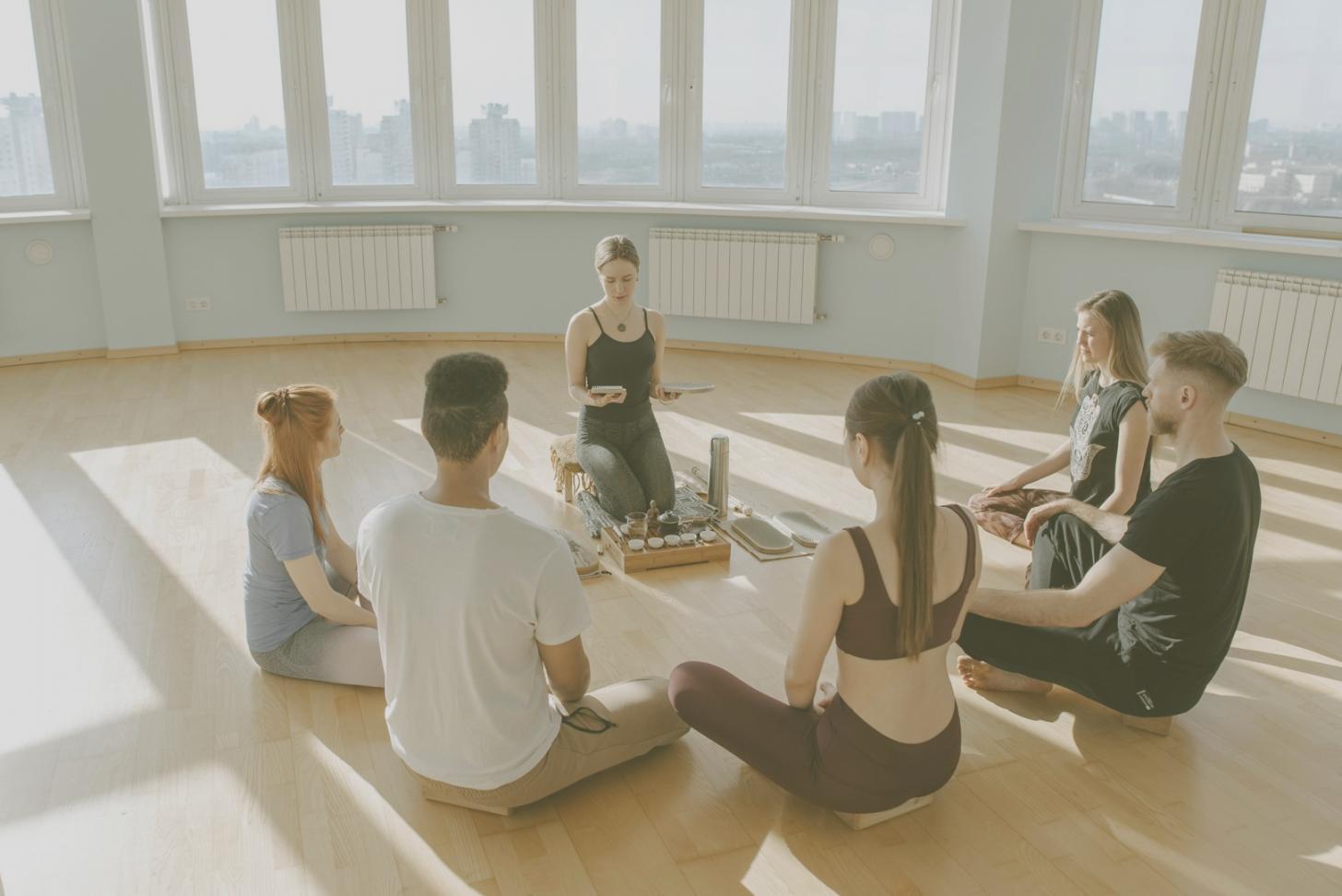
If you already have a yoga routine and want to add meditation, the gap between intention and follow-through can be surprisingly wide. Here is a checklist of common errors, each with a short explanation of why it matters.
Checklist of integration mistakes
Adding meditation as an afterthought at the end of practice. When meditation is tacked on after 40 minutes of movement, the mind is often too scattered or too tired. It works better as a deliberate segment with its own start point.
Using a different style each session. Switching between body scan, mantra, and breath awareness every few days prevents any technique from becoming familiar. Familiarity is what makes meditation useful under pressure.
Expecting immediate calm. Meditation often surfaces restlessness before it reduces it. Business owners who interpret this as failure tend to quit within two weeks.
Ignoring the transition between movement and stillness. Moving directly from active yoga into silent sitting without a brief wind-down creates mental friction. Two to three minutes of slow breathing between the two helps considerably.
Measuring progress by how calm you feel during the session. The actual benefit tends to show up later in the day, in how you respond to a difficult email or a scheduling conflict. If you are only tracking in-session feelings, you are missing the data that matters.
These are not obscure errors. They are the standard ones, and recognising them early saves a lot of wasted effort.