
Yoga and meditation are one practice.
Most people learn them as separate disciplines — one for the body, one for the mind. That split is where difficulty begins. When movement and stillness share the same root, everything changes.
I am Saoirse Halversen. Since founding Opendiscovery in 2015, I have been working on one question: how do you actually bring these two things together in a way that holds up in daily life?
"A seated meditation after a yoga session is not integration. Integration is when the quality of attention you find on the mat starts appearing while you are washing dishes."
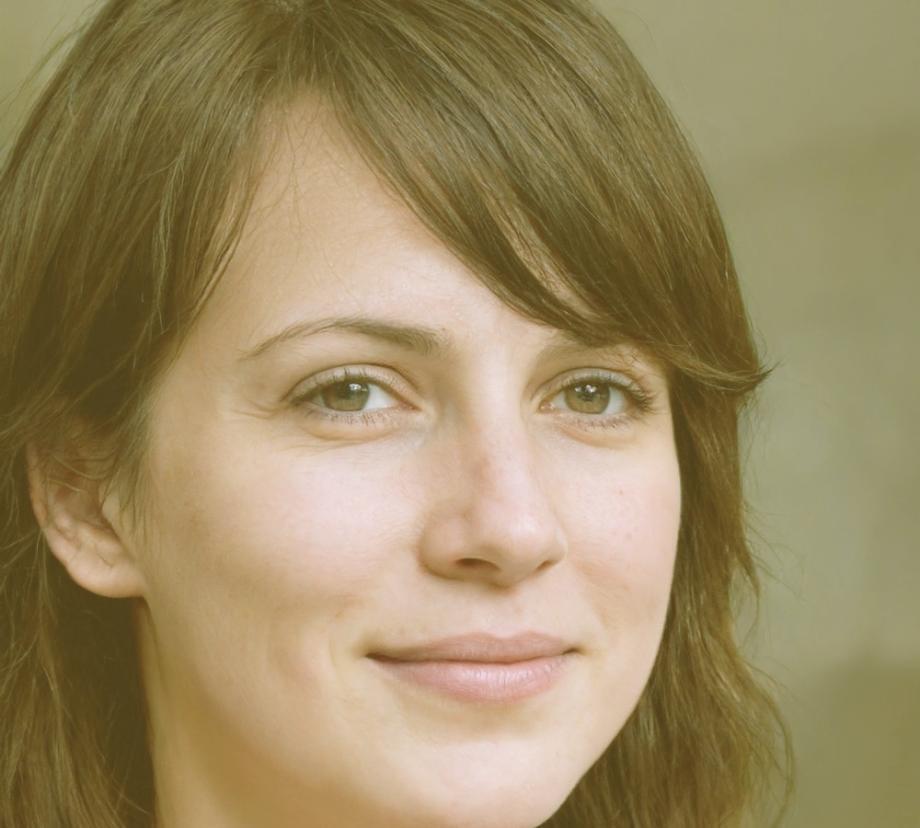
Saoirse Halversen
Yoga & Meditation Integration
OpendiscoveryHow the path formed
Not a straight line from student to teacher — more like a series of honest reckonings with what the practice actually requires.
First encounter
Started a basic Hatha class to manage lower back pain. No interest in meditation at the time — just wanted the physical relief.
The gap became obvious
Three years of asana practice and still a restless mind. Began studying Vipassana seriously — and noticed how the two practices kept informing each other.
Formal study and teaching
Completed a 500-hour teacher training with a specific focus on the contemplative dimensions of yoga. Started teaching small groups in Melbourne.
Opendiscovery begins
Moved the work online to reach people who could not attend in person. The focus shifted toward practical guides that work without a studio or a schedule.
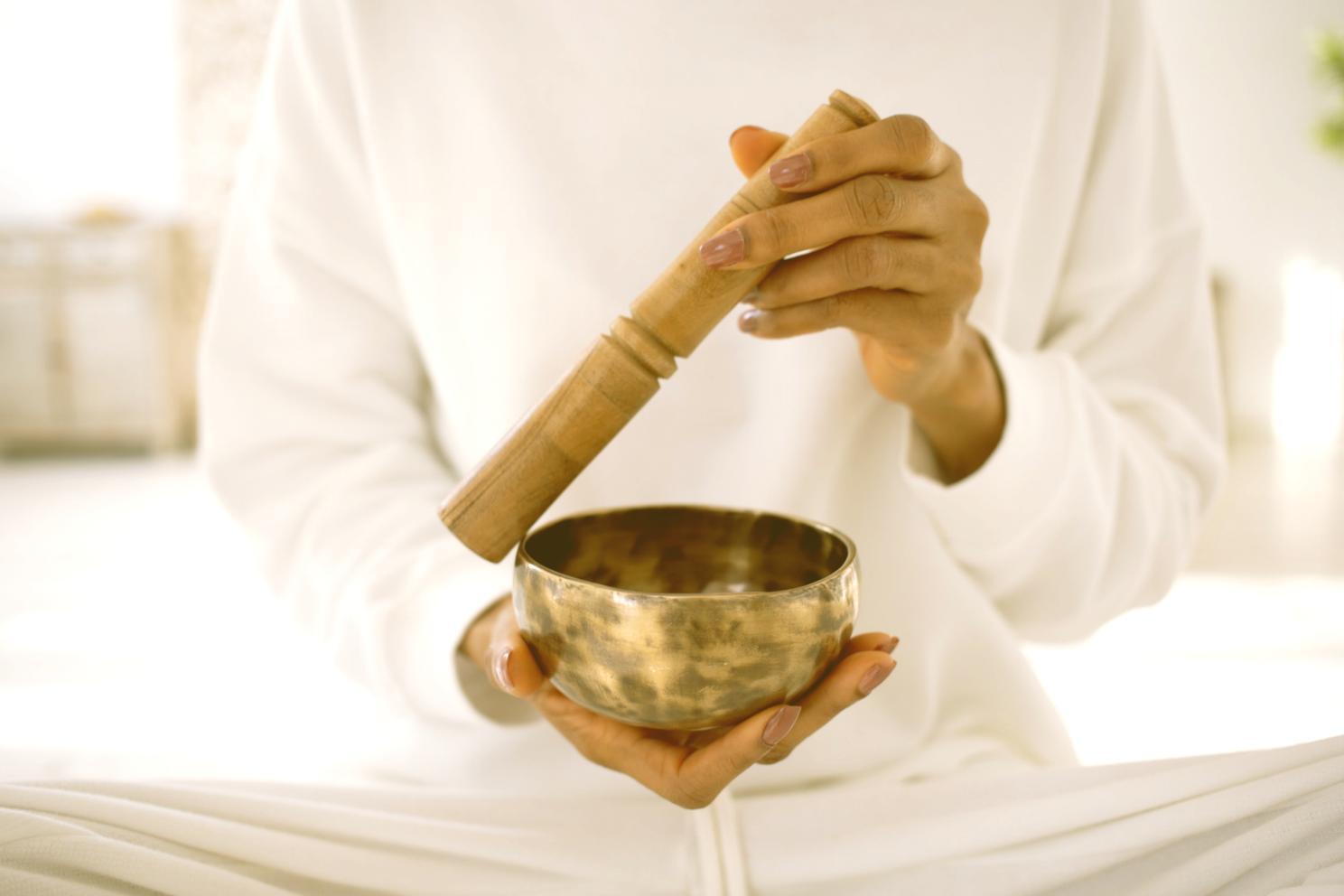
Teaching online changed how I think about instruction. You cannot rely on physical adjustments or the energy of a group. The guidance has to be precise enough to work when someone is alone in a small flat at 6am.
That constraint made the material better. Every guide on Opendiscovery went through at least a dozen revisions based on what students actually got stuck on — not what I assumed would be difficult.
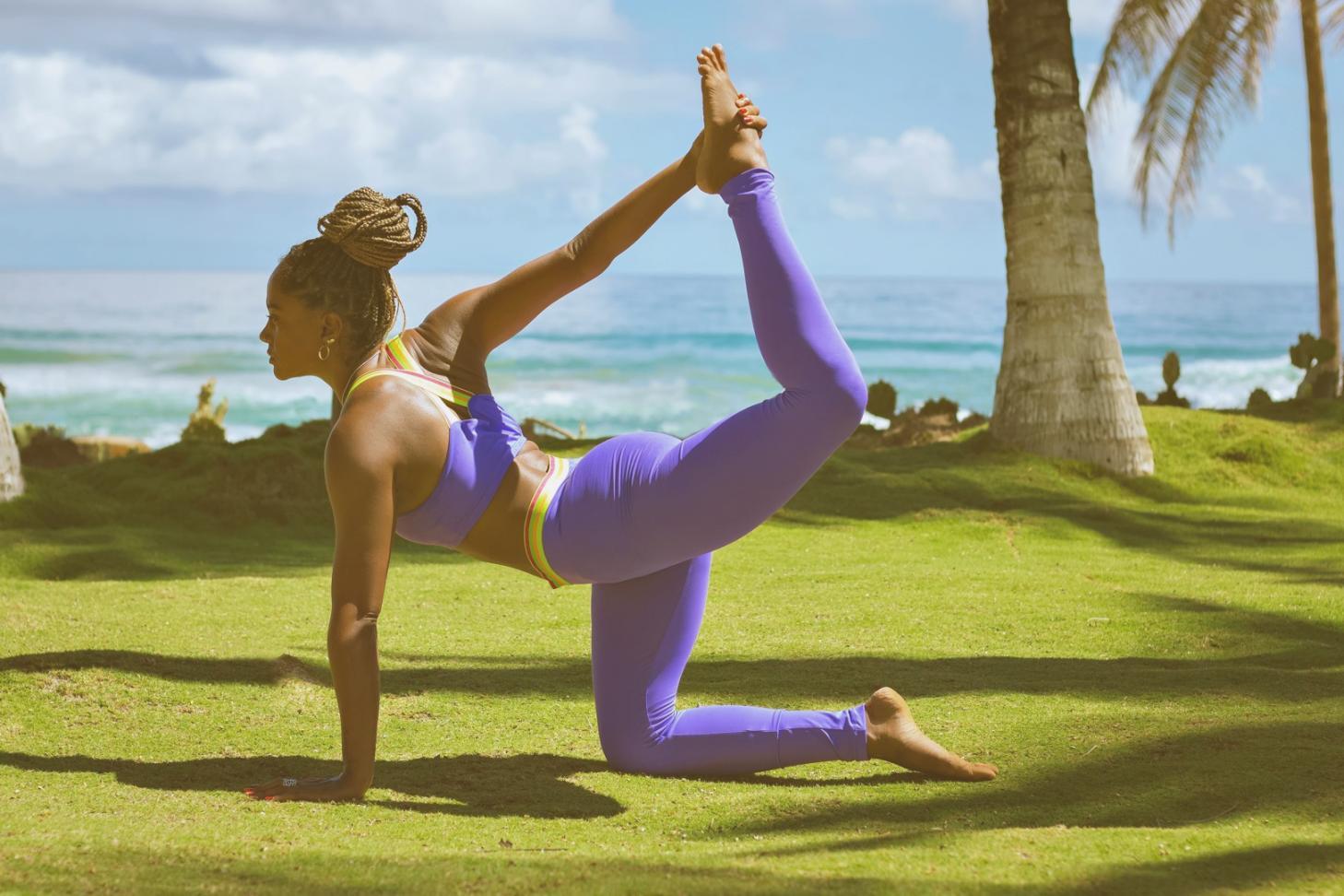

What shapes the teaching
-
Breath as the thread
Between movement and stillness, breath is the only constant. Every technique taught here connects back to that one anchor.
-
Consistency matters more than intensity
Fifteen minutes daily builds something that a two-hour session once a week does not. The guides here are designed for real schedules.
-
Awareness before technique
Learning to notice what is happening in the body before trying to change it. That sequence rarely gets taught — it is where most practitioners skip ahead.
-
Integration is ordinary
The goal is not a peak experience on the mat. It is the quality of attention you bring to an ordinary Tuesday afternoon.
People who shaped this work
No practice develops in isolation. Over the years, several teachers and practitioners have contributed ideas, challenges and corrections that changed how I teach.
These are not endorsements or affiliations — just honest acknowledgements of where the thinking came from and who pushed back when it needed pushing.
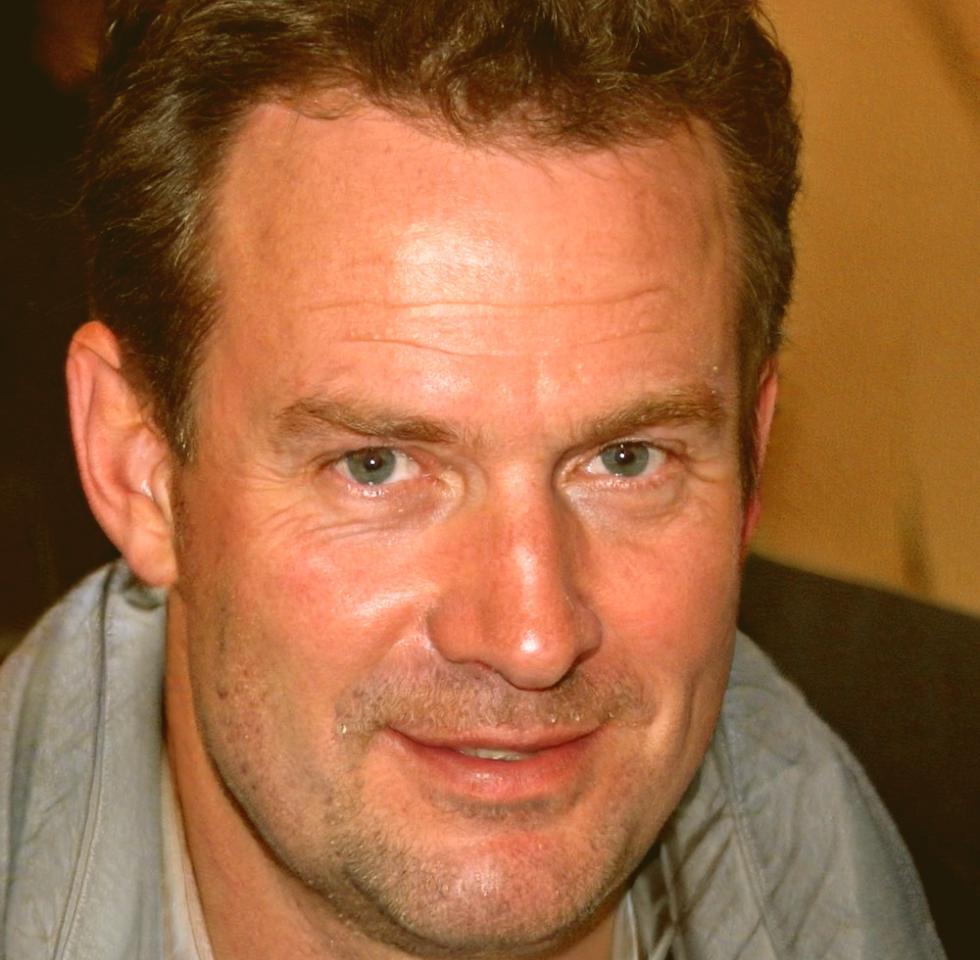
Torben Waelkens
Movement and somatic practice
Torben's work on proprioception and slow movement was the first time I saw someone explain why asana actually changes the nervous system — without mysticism or vague claims.
Priya Nandakumar
Vipassana and body-based inquiry
A decade of correspondence with Priya refined the language used in every meditation guide on this site. She has a rare ability to describe internal experience without making it sound inaccessible.
Oisín Ferriter
Anatomy and practice safety
Oisín reviewed the physical instruction in the early masterclass materials and caught several places where enthusiasm had outrun anatomical accuracy. That review made the guides genuinely safer.